Ferment by climate, not by fantasy.
Milk kefir responds to temperature, rhythm, milk, and your kitchen. In Malaysia and Singapore, the most important skill is learning when to stop room-temperature fermentation and when to move the jar into the fridge.
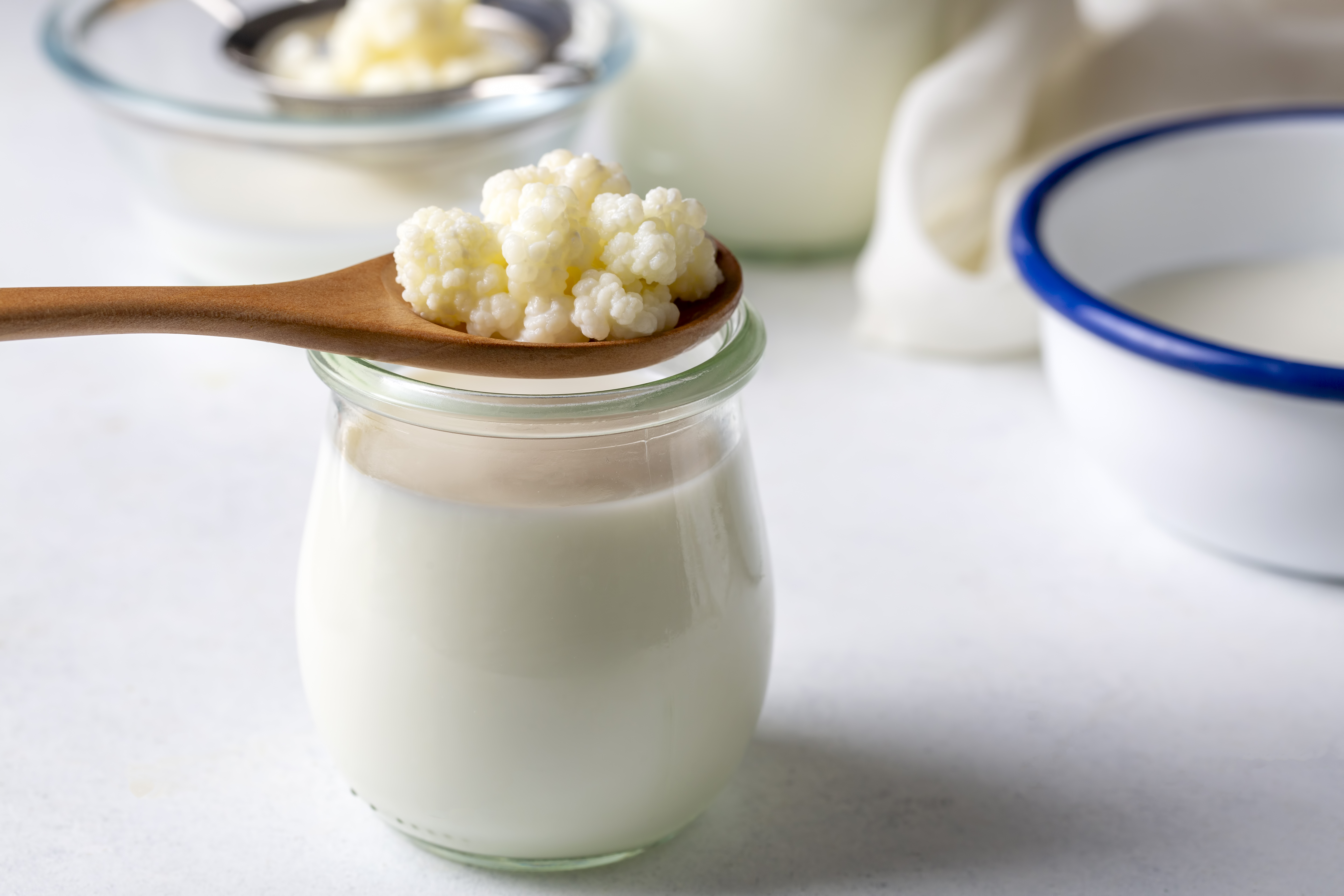
The goal is not rigid perfection. The goal is to understand how your grains behave in your own air, heat, and routine.
Malaysia and Singapore ferment fast.
Many kefir recipes online are written for kitchens that sit much cooler than ours. If you follow them exactly in Johor Bahru, Kuala Lumpur, Singapore, or similar climates, your kefir may separate too quickly, turn overly sour, or stress the grains.
Think of room-temperature fermentation here as a short, active phase. After that, the fridge becomes part of the process. Cold fermentation helps develop the kefir more slowly without exhausting the culture.
The best range for milk kefir is around 20–26C. Once the environment runs hotter, time matters more than recipe mythology.
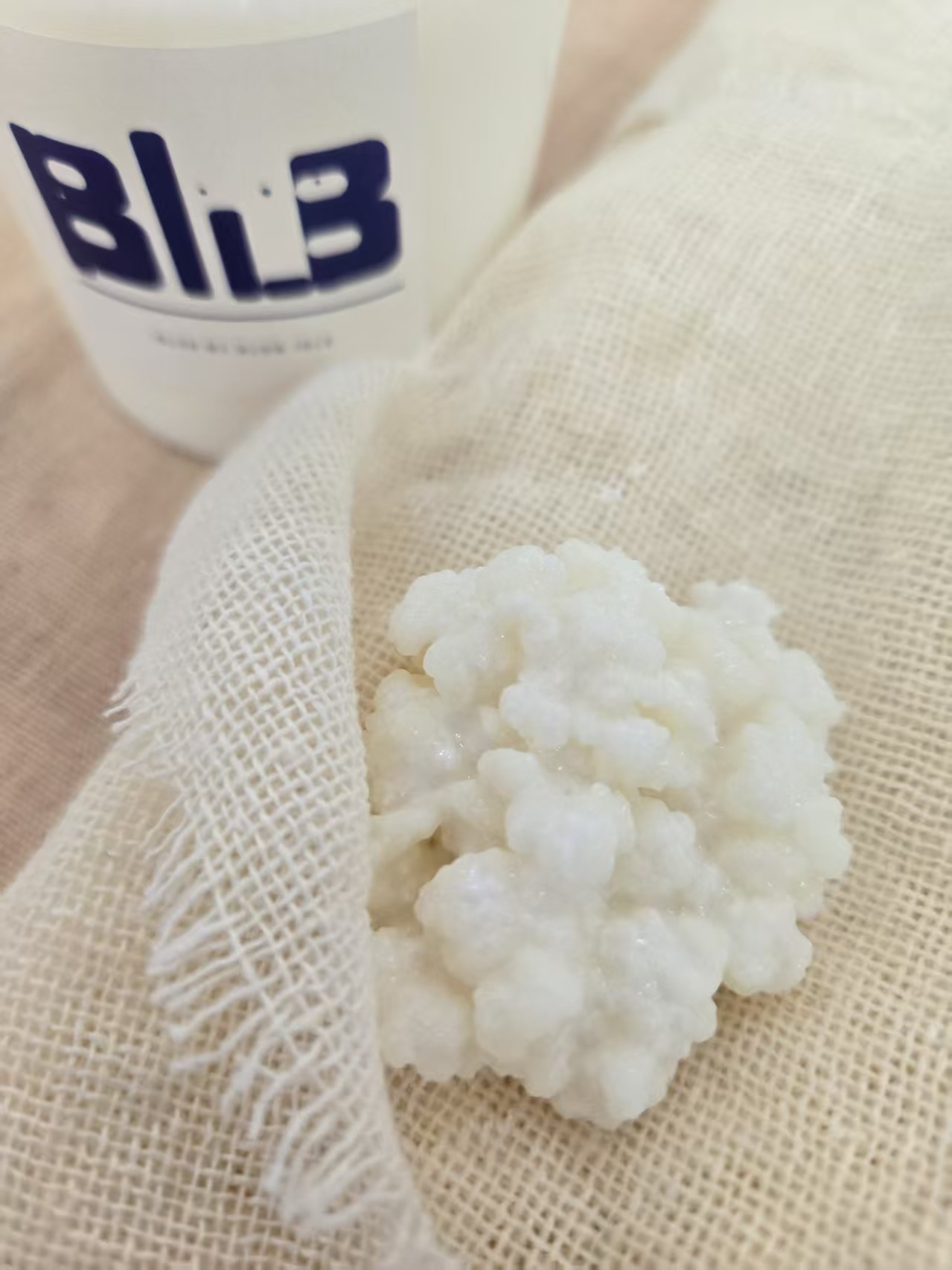
The simplest timing guide
If your home uses air-conditioning
With regular air-conditioning, room temperature is often gentle enough for around 12 hours before refrigeration.
This gives the grains time to work, but still keeps the process controlled. Once the kefir begins to thicken and brighten, move it into the fridge.
If your home is warm without air-conditioning
In a naturally warm kitchen, around 8 hours at room temperature is usually enough before chilling.
After that, let the fridge take over. If you leave it out too long in tropical warmth, it can move from balanced to over-fermented quickly.
What to watch for
A gentle fermentation rhythm
Feed
Place the grains in fresh milk in a clean jar. Keep the ratio simple and repeatable.
Watch
Let the grains work at room temperature for the appropriate window based on your home climate.
Chill
Move the jar into the fridge once the kefir has clearly begun to culture and thicken.
Repeat
Strain, feed again, and let the grains keep a stable rhythm instead of a chaotic one.
Three easy mistakes
Ask when in doubt.